How Italians Celebrate New Year’s Eve: Food, Traditions, and the Cenone at Home
New Year’s Eve in Italy is built around a long family dinner, symbolic food, games, fireworks, and small rituals meant to bring luck. This is how Italians really celebrate the night at home.
LOCAL STORIES&CULTURE
Italian New Year’s Eve Traditions: The Cenone di Capodanno from North to South
Italy’s New Year’s Eve celebration is a feast for all the senses – a time when delicious food, time-honored rituals, and joyous gatherings come together to welcome Capodanno (the New Year) in grand Italian style. The centerpiece of the festivities is il cenone di Capodanno, the traditional New Year’s Eve dinner feast, which is much more than just a meal. It’s a collective ritual that blends tradition, conviviality, and good omens. From the snowy Alps of the north to the sun-kissed coasts of the south, every region of Italy adds its own flavors and customs to this special night, making New Year’s in Italy a true cultural journey.
In this article, we’ll travel across Italy – North, Center, and South – to explore the rich tapestry of New Year’s Eve traditions, the regional foods served at the cenone, and the charming customs (from lucky lentils to fireworks and red underwear!) that make an Italian Capodanno unforgettable for locals and visitors alike.
The Cenone di Capodanno: Italy’s New Year’s Eve Feast
On December 31st, as evening falls, Italians gather with family and friends for il cenone, a lavish New Year’s Eve dinner that can easily last for hours. In Italy, New Year’s Eve dinner is a true ritual, celebrated in a festive, warm atmosphere at home or in restaurants. The word cenone literally means “big dinner,” and indeed this meal is a multi-course feast showcasing the best of Italian cuisine.
Traditionally, antipasti (appetizers) kick things off – often an abundant spread of cured meats, aged cheeses, bruschette, and in coastal areas, seafood bites like marinated anchovies or octopus salad. The appetizers set the tone: slow pacing, lively conversation, and the joyful awareness that nobody is rushing anywhere tonight.
Then come i primi piatti (first courses), which are often the heart of the cenone. In the North and Center, you’ll find stuffed fresh pastas such as tortellini or cappelletti, or baked classics like lasagna. In the South, hearty baked pasta, risotti, and layered timballi are common – dishes built to impress, to feed a crowd, and to taste even better when shared.
After the primo, it’s time for secondi (main courses) and contorni (side dishes). Here the regional identity of each area shines: roasted and braised meats inland, seafood in coastal zones, mixed fried platters in the South, and seasonal vegetables served in abundance. The message is clear: the table must look generous and full, because abundance is the most universal “wish” for the coming year.
Finally come desserts: panettone and pandoro, nougat, dried fruit and nuts, and regional sweets that appear once the real party begins. At midnight, corks pop, spumante flows, hugs and kisses start, and the first words of the new year echo through living rooms and piazzas: Buon Anno!
And then, almost without exception, there are lentils. Even those who swear they are “too full” will still eat a spoonful, because in Italy tradition is tradition—and the symbolism is irresistible.
Northern Italy: Hearty Winter Traditions and Rich Flavors
Northern Italy, with its chilly winter nights and Alpine influence, brings New Year’s Eve menus that are warm, hearty, and opulent – perfect for celebrating in cold weather.
In the Alpine north, a cenone might begin with comforting dishes like canederli in brodo (bread dumplings in broth). In Emilia-Romagna, one of the most iconic traditions is tortellini in brodo: tiny handmade pasta parcels served in deep, fragrant broth. It’s the kind of dish that feels like home, even if you’re tasting it for the first time.
In Piedmont, the New Year’s table often celebrates tradition with bollito misto – an impressive platter of mixed boiled meats served with an array of sauces. This is classic northern hospitality: not one sauce, but many; not one cut of meat, but several. It’s abundance turned into ritual.
In Lombardy, celebratory classics like saffron risotto and braises appear. In Veneto, seafood traditions seep inland, with salt cod (baccalà) often making an appearance as an antipasto or main. In Liguria, an elaborate dish like cappon magro—a layered seafood-and-vegetable masterpiece—can become the centerpiece: colorful, abundant, symbolic.
And across the North, as across Italy, midnight belongs to the classic duo: lenticchie e cotechino (or zampone). Cotechino is rich, fatty, celebratory; lentils are small and coin-shaped. Together they form the most famous Italian New Year “prayer”: prosperity on the plate.
Central Italy: Rustic Flavors and Timeless Regional Specialties
In Central Italy, the cenone often feels more rustic, earthy, and deeply tied to countryside traditions—yet still festive enough to mark the turning of the year.
In Tuscany, you might start with bold, savory antipasti like liver crostini, and continue with rich main dishes such as stewed game or roasted meats. In Umbria, lentils are practically sacred on New Year’s Eve, especially the famous lentils from Castelluccio, often served with cotechino as a direct wish for luck and abundance.
In Le Marche, fried antipasti and richly layered pasta dishes can take center stage—foods made for gatherings, built for sharing. In Lazio and Rome, fried baccalà is a beloved holiday staple: simple, crispy, and deeply traditional.
Central Italy also loves the “closing ritual” of the feast: bowls and platters of dried fruit and nuts, eaten slowly while people talk, laugh, and drift into games. It’s comfort food in the truest sense—not only for the stomach, but for the soul.
Southern Italy: Seafood Feasts, Spice, and Sweet Celebrations
In the South, New Year’s Eve is often louder, longer, and even more overflowing with dishes. Hospitality is a point of honor, and the cenone becomes a marathon of courses, especially in coastal regions where seafood is central.
In Campania—and especially in Naples—New Year’s is famously linked to seafood traditions. Dishes like spaghetti alle vongole often appear, followed by fried seafood. And then there’s one dish that deserves its own spotlight: capitone (eel). In Neapolitan tradition, eel isn’t just food—it’s a ritual, tied to symbolism and superstition, a way of defeating bad luck and leaving negativity behind as the year turns.
After savory courses come the sweets: struffoli, honey-coated fried dough balls, are a holiday icon. In the South, sweets aren’t just dessert—they’re celebration.
In Puglia, you may find fried starters like panzerotti, roasted eel, lamb, and local sweets like cartellate and purcidduzzi. In Calabria, bold flavors and red accents (like peppers and chili) reflect both taste and symbolism: red is luck, vitality, and protection.
In Sicily, a feast might end with one of Italy’s most famous symbols of sweetness: cannoli. In Sardinia, desserts like ricotta-filled pastries and honeyed sweets tie the celebration to pastoral traditions and island identity.
And yes—midnight lentils still happen here too. Even in the most seafood-heavy regions, Italians keep a place on the table for what matters: a spoonful of luck.
Symbolic “Good Luck” Foods of Capodanno
Italian New Year’s is full of edible symbolism. Certain foods are eaten specifically for what they represent.
Lentils: small, coin-like, a wish for wealth and prosperity.
Cotechino / Zampone: rich pork, a symbol of abundance.
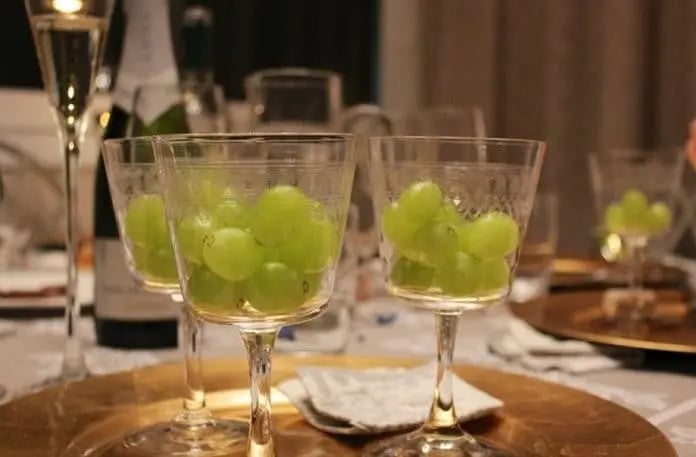
Grapes: in some areas, eating 12 grapes at midnight is tied to luck for each month.
Pomegranate: seeds as a symbol of fertility, abundance, and plenty.
Dried fruits and nuts: associated with longevity, wealth, and tradition.
Even if you don’t literally believe in superstition, these rituals create something powerful: a shared language of hope. Everyone eats the same symbolic food, in the same symbolic moment, and enters the year together.
Festive Traditions: Games, Fireworks, and New Year’s Rituals
Once dinner is underway, Italians don’t just wait for midnight. They fill the time with traditions.
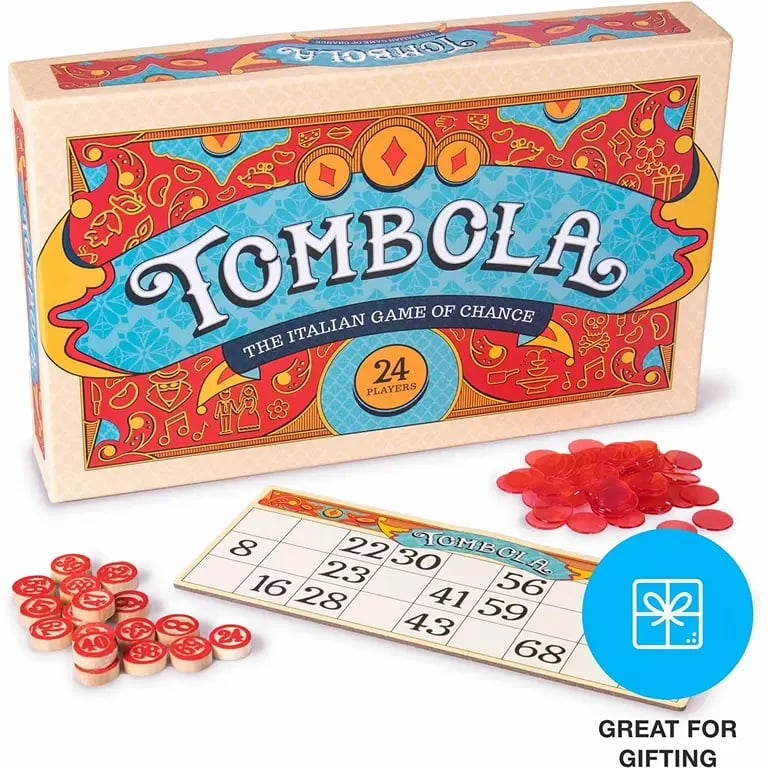
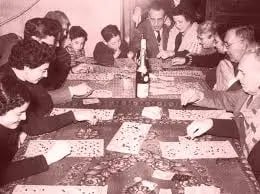
Tombola is one of the most beloved: an Italian bingo-style game played at Christmas and New Year, perfect for family gatherings. It’s noisy, competitive, and full of jokes—and it keeps everyone together until the countdown begins.
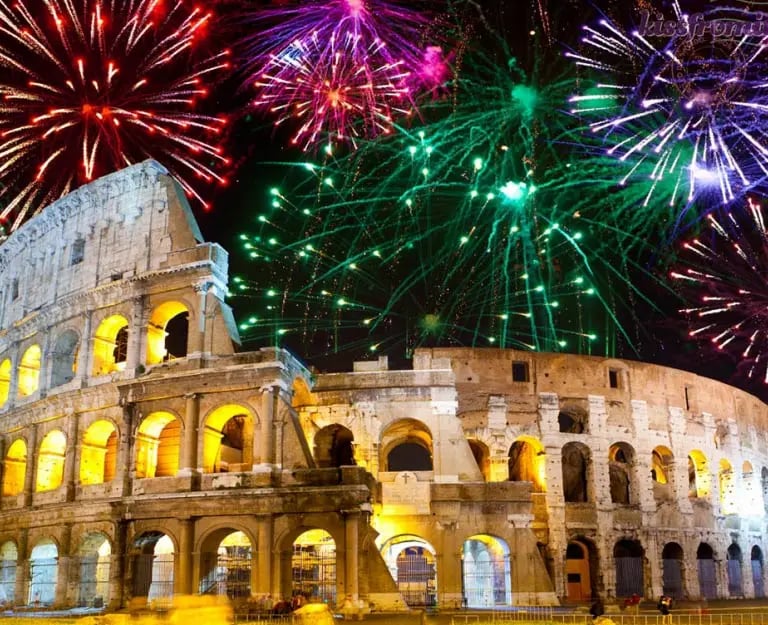
Then come the fireworks. In many Italian towns and cities, midnight feels like a collective explosion of light and sound. Historically, the noise was meant to chase away bad spirits. Today, it’s pure celebration: piazzas packed with people, cheering, hugging, and shouting “Buon Anno!”
The midnight moment includes the toast, the kisses, the calls to relatives, and the inevitable flood of messages. Many Italians also follow small luck rituals:
Wearing red underwear for luck and love.
Keeping money in your pocket at midnight.
Stepping into the new year with the right foot first.
Kissing under mistletoe to protect love and bond.
These little gestures are playful, but they matter. They make the turning of the year feel real.
Tips for Enjoying an Authentic Italian New Year’s Eve as a Tourist
If you want to live a true Italian Capodanno, here’s how:
Book a cenone: Many restaurants offer special fixed New Year’s menus. Book early.
Try an agriturismo: In the countryside, you’ll often find the most authentic, regional experiences.
Expect a late schedule: Dinner starts late and runs long. Italians don’t rush this night.
Eat what’s offered: Lentils, cotechino, seafood, sweets—taste everything, ask about the meanings.
Plan your midnight spot: A piazza concert, a terrace view, a waterfront promenade—choose your fireworks moment.
Embrace the traditions: A touch of red, a toast, a game of tombola, a spoonful of lentils. That’s the real Italy.
Italian New Year’s Eve is not just a party. It’s a ritual of belonging. It’s the warmth of the table, the noise in the street, the laughter of family games, the sweetness of dessert shared at 12:30 AM. It’s the feeling that the year ahead is uncertain—but tonight, at least, we are together.
Buon Anno.