Italy’s Secret Water Garden: Exploring the Lotus Lagoons and Silent Canals of Parco del Mincio
Discover the enchanted waterways of Parco del Mincio, near Mantua — where lotus flowers bloom, canals reflect the sky, and slow boats glide through Italy’s secret wetlands.
LOMBARDIA
In the middle of the Lombard plain, where roads turn to water and the horizon melts into green reflections, lies a place few travelers ever see — Parco del Mincio, one of Italy’s most tranquil natural sanctuaries. Here, time doesn’t pass; it drifts.
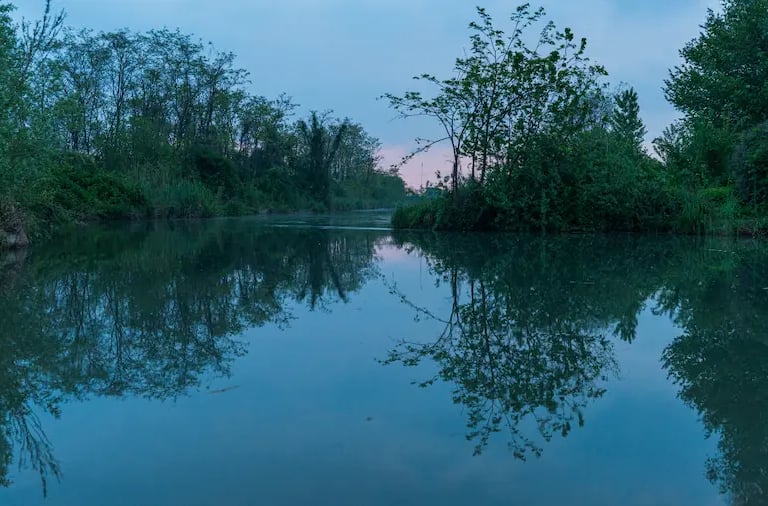
Forget the hum of cars or the rush of cities — in this world, you move only by boat. The slow current of the Mincio River guides you through a labyrinth of wetlands, reed beds, and water lilies. Then, as you glide further into silence, you see them: the lotus flowers, pale pink and ivory, blooming across the surface like floating lanterns.
This is not Venice. This is the Italy of stillness — a living poem between Mantua’s Renaissance skyline and the soft call of herons.
A River that Remembers — The Story of the Mincio
The Mincio River begins its journey at Lake Garda, flowing southward through rolling hills before flattening into the Mantuan plain. For centuries, it has carried water, trade, and myths — shaping a landscape that inspired poets and painters alike.
In the 1970s, as Italy grew more industrial, locals fought to protect this wetland from pollution and overdevelopment. Their dream became reality in 1984, when the area was officially declared Parco del Mincio, a protected oasis of over 15,000 hectares.
Today, the park stands as a living symbol of balance — where human history and wild nature still coexist. It’s part of the Po Valley, one of Europe’s most fertile and ancient landscapes, but here the fields end and the waterways begin.
Instead of highways, you find channels that whisper with reeds. Instead of traffic, the hum of dragonflies.
The Oriental Heart of the Italian Plains
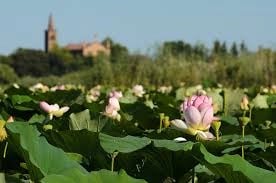
Locals call this part of the Mincio “the little Orient”, and it’s easy to see why. When the lotus flowers bloom in July and August, the lagoon near Mantua transforms into something out of a dream — an Italian mirage of the East.
The lotus (Nelumbo nucifera) was first introduced here in the 1920s by botanist Giacomo Salvadori, who admired its beauty and resilience. The plants thrived beyond expectation, turning the lakes of Mantua — especially the Lago Superiore and Lago di Mezzo — into shimmering fields of pink.
As your boat slides between the petals, you realize how the landscape plays tricks on your sense of place. The scent of lotus drifts in the humid air, the sunlight ripples over the water, and for a moment, you could be in Cambodia or Vietnam — but the distant bell tower of Mantua reminds you that you are still in Italy, in one of its most magical and off beaten path corners.
Traveling by Water — The Only Way to See the Park
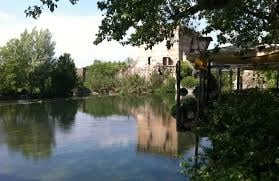
The Parco del Mincio is not made for cars. Roads stop at the edge of the wetlands, and from there, the adventure begins in silence. Boats, canoes, and eco-cruisers replace vehicles, gliding over the reflective channels that thread through the marshes.
This is slow travel at its finest. Guided boat tours depart from Mantua, carrying visitors along the Mincio’s natural corridors — through the lotus-covered lagoons, under wooden bridges, past fishing huts and colonies of waterbirds.
Each curve of the river reveals something new: a silver heron rising from the reeds, a carp leaping from the still water, the rustle of willows against the current.
For a truly immersive experience, book the “Mantua: Panoramic Cruise with Guide, Nature Reserve & Water Elevator” — a serene voyage through the park’s most scenic routes and eco-rich habitats. It’s one of the best ways to understand the rhythm of this fragile ecosystem.
👉 Book your guided boat experience here:
https://gyg.me/vPFo5wTE
The Lotus Lagoons — Where Italy Meets the East
Few sights in northern Italy are as surreal as the lotus lagoons of Parco del Mincio. Each summer, vast carpets of flowers stretch across the water, their blossoms opening with the morning sun and closing gently at dusk.
The locals say the lotus brings peace — and it’s hard to disagree. The petals seem to float between reflection and reality. Beneath them, fish weave through submerged stems while dragonflies hover above like sparks of blue light.
Photographers adore this place for its painterly beauty, but it’s also a sanctuary for mindfulness: a moment to simply exist, in silence, among living symbols of renewal.
Not Everyone Knows — Hidden Secrets of the Parco del Mincio
The Water Elevator: On the guided boat tour, you’ll experience a small hydraulic marvel known as the ascensore d’acqua — a water elevator that gently lifts boats between different river levels, allowing navigation without disturbing the ecosystem.
A Monastic Past: Hidden among the reeds near Rivalta sul Mincio are ruins of ancient monasteries where monks once harvested reeds and crafted baskets, living in rhythm with the river’s moods.
Birdwatchers’ Paradise: Over 200 bird species inhabit the park, including purple herons, little bitterns, and even rare black storks. Early morning is the best time to witness their flight over the misty lagoons.
The Floating Reeds: Locals tell of reed beds that seem to move overnight. In truth, these are floating islands of vegetation that drift slowly with the wind — a natural phenomenon unique to the Mincio wetlands.
The Renaissance Echo — Mantua and Its Reflection
The park doesn’t exist in isolation — it breathes in rhythm with Mantua (Mantova), one of the most beautiful cities of Italy and a UNESCO World Heritage site. From the water, you see the city’s silhouette rise like a painted dream: domes, towers, and the elegant Palazzo Ducale reflected perfectly in the lagoon.
Mantua was once the court of the Gonzaga family, patrons of the arts who invited masters like Mantegna and Giulio Romano. Their influence still lingers in the symmetry of the city’s skyline. And as your boat glides closer, the Renaissance façades shimmer over the lotus fields — a vision of Italy’s soul blending art and nature.
Life on the Riverbanks
Beyond the lagoons, the Mincio Park extends into gentle countryside dotted with farms and small villages like Grazie di Curtatone, famous for its sanctuary and the annual Madonnari Festival, where artists paint religious scenes in chalk on the pavement.
Along the embankments, you’ll see fishermen repairing nets, cyclists following the Mincio Bike Path toward Peschiera del Garda, and children feeding swans under the bridges.
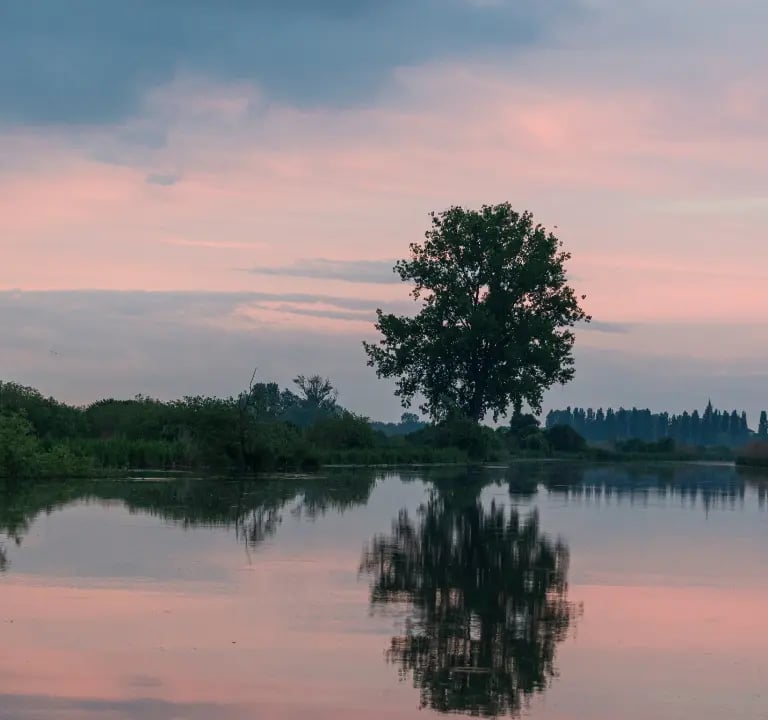
This is the Italy of rhythm, not rush — the kind of place where even locals pause to watch the clouds reflected in the water.
A Symphony of Seasons
Spring: The wetlands awaken in green tones, birds return, and the air smells of damp earth and new leaves.
Summer: Lotus flowers bloom; the park becomes a floating garden straight out of a dream.
Autumn: Mists roll in, wrapping the canals in silver and amber. Perfect for photographers and lovers of solitude.
Winter: Even when cold, the Mincio is poetic — reeds crystallize with frost, and silence deepens into meditation.
Every visit offers a new lens on this hidden gem in Italy.
A Journey for the Senses
Close your eyes for a moment and imagine: the gentle sway of the boat, the rustle of reeds brushing against the hull, the faint fragrance of lotus rising with the mist. The guide speaks softly about history and nature, while the sun warms your skin.
This isn’t just sightseeing. It’s a conversation between water, wind, and wonder — a reminder that Italy’s beauty doesn’t only live in its cities, but also in the quiet corners where nature still whispers in ancient tongues.
Plan your trip or learn more about Parco del Mincio and its surroundings through these reliable sources:
Official Parco del Mincio Site – https://www.parcodelmincio.it
Mantua Tourism – https://www.turismo.mantova.it
Lombardy Tourism – https://www.in-lombardia.it/en
GetYourGuide Boat Tour – https://gyg.me/vPFo5wTE
FAQ — Visiting Parco del Mincio
Q1: Where is Parco del Mincio located?
It’s in Lombardy, northern Italy, stretching between Lake Garda and Mantua. The main entrance and visitor centers are near Mantua city.
Q2: Can you visit the park by car?
Cars are allowed only up to the edges of the park. Inside the wetlands, you travel only by boat or bicycle to preserve the fragile environment.
Q3: When do the lotus flowers bloom?
Between July and August, depending on weather. That’s the most magical time to visit.
Q4: How long is the boat tour?
Most guided cruises last 1.5 to 2 hours, exploring the lotus lagoons, Oasi Naturale, and the water elevator.
Q5: Is it suitable for families or children?
Yes — the pace is gentle, and guides make the experience fun and educational for all ages.